

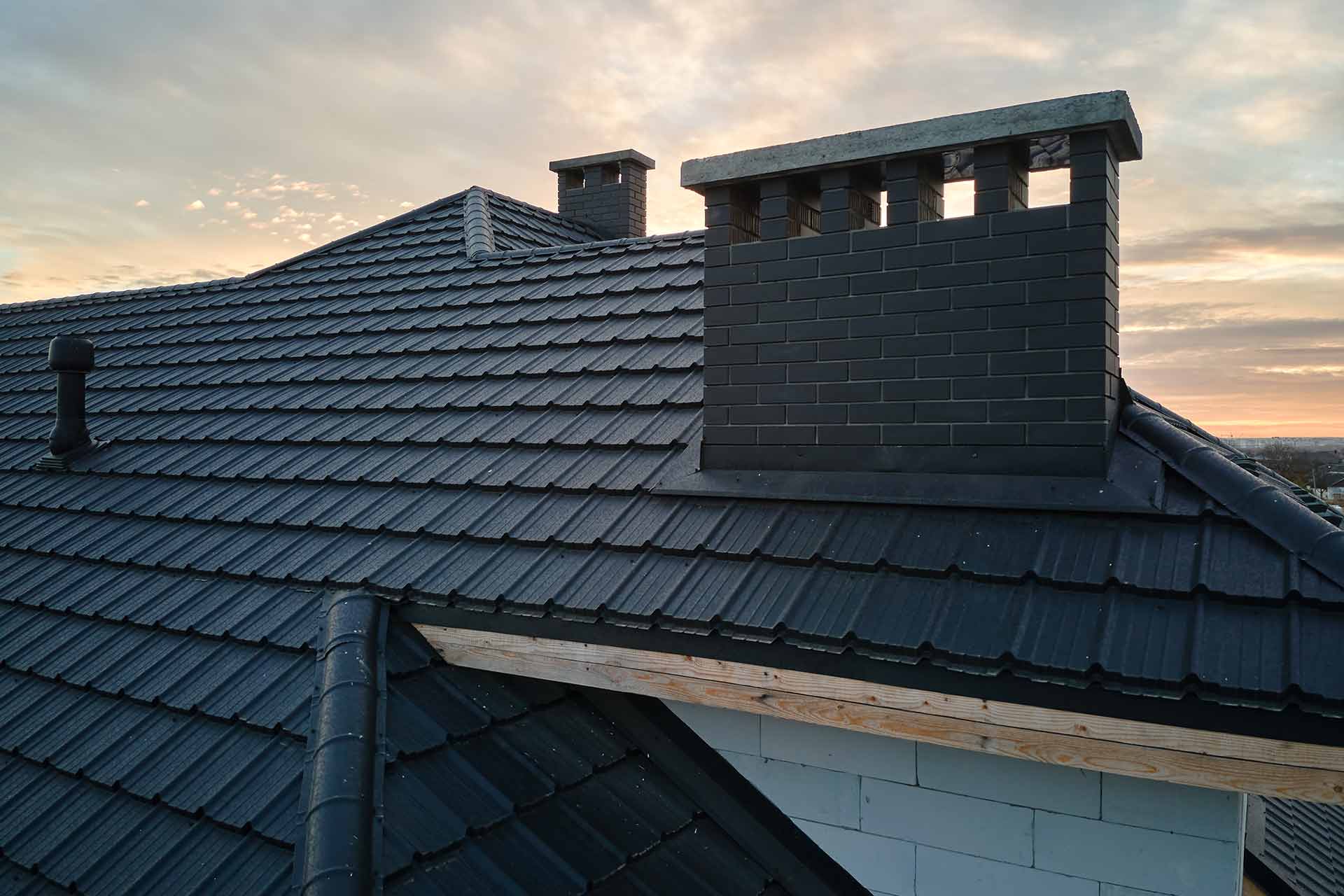

We recently finished a lead flashing job on a parapet wall in Coulsdon that's worth talking about. The homeowner had been dealing with water damage, and when we took a look, it was clear the old cement fillet had completely failed. It's a story we see far too often.
Cement fillets used to be the go-to solution years ago because they were cheap and quick to install. The problem is they don't last. They crack, they crumble, and before you know it, water's getting in where it shouldn't. This particular one had seen better days, and the customer was understandably concerned about the damp patches appearing inside.
Getting the job done properly
After assessing the situation, we recommended a full lead flashing installation. It's the proper way to protect a parapet wall, and whilst it costs more upfront than slapping on some cement, it's the only solution that actually lasts.
The first step was removing all that old cement fillet. You've got to be careful here because you don't want to damage the brickwork underneath. Once that was cleared away, we chased out the mortar joints to create a neat channel for the new lead. This gives you a solid base to work from and ensures everything sits flush and weathertight.
Next came the 300mm zinc soakers. These work hand in hand with the lead flashing to direct water away from the joints and down the roof. Zinc's brilliant for this because it lasts for years and works well with lead without any compatibility issues.
Then we fitted the main event: 225mm code 4 lead step flashing. We installed it in sections no longer than 1.5 metres, which is what building regulations require. This allows the lead to expand and contract with temperature changes without buckling or tearing. Each section was properly plugged into the brickwork and patinated to prevent that white oxidation you sometimes see on new lead. The pointing was finished with a weather struck joint to shed water properly.
The whole job took us one day to complete, which the customer was really pleased about. Even better, we managed it without needing scaffolding, which saved them a fair bit of money. Sometimes you can work safely from ladders and roof access, and when you can, it makes sense to do so.
Why lead beats cement every time
There's a reason we don't use cement fillets anymore. Lead flashing might cost more initially, but it's flexible enough to move with the building, it lasts 60 years or more when installed properly, and it stands up to the worst of British weather. You're looking at decades of protection rather than having to redo the job every few years.
We back all our lead work with a 10-year guarantee because we know it's going to perform. When you use the right materials and install them correctly, there's no reason lead flashing shouldn't outlast most other parts of your roof.
How to tell if your flashing needs replacing
Keep an eye out for water stains on your walls near the roofline, especially after heavy rain. Cracks in old cement fillets are a dead giveaway that water's finding its way in. Damp patches that get worse when it rains, gaps opening up between the wall and flashing, or even moss growing in the joints all point to the same problem.
The trouble with putting off flashing repairs is that water damage doesn't stay put.
What starts as a small damp patch can turn into serious structural problems before you know it. If you're seeing any of these signs, it's worth getting someone out to have a proper look.


The finished job
Our customer in Coulsdon now has a parapet wall that's properly protected and will stay that way for decades. The installation meets current building regs, uses quality materials throughout, and we've guaranteed the work for 10 years. It's the kind of job that lets you sleep easy knowing your home's protected, whatever the weather throws at it.
If you've got concerns about your own parapet wall flashing or you're dealing with damp from failed cement work, get in touch. We're always happy to come out, assess what's needed, and give you a straightforward quote for putting it right.